
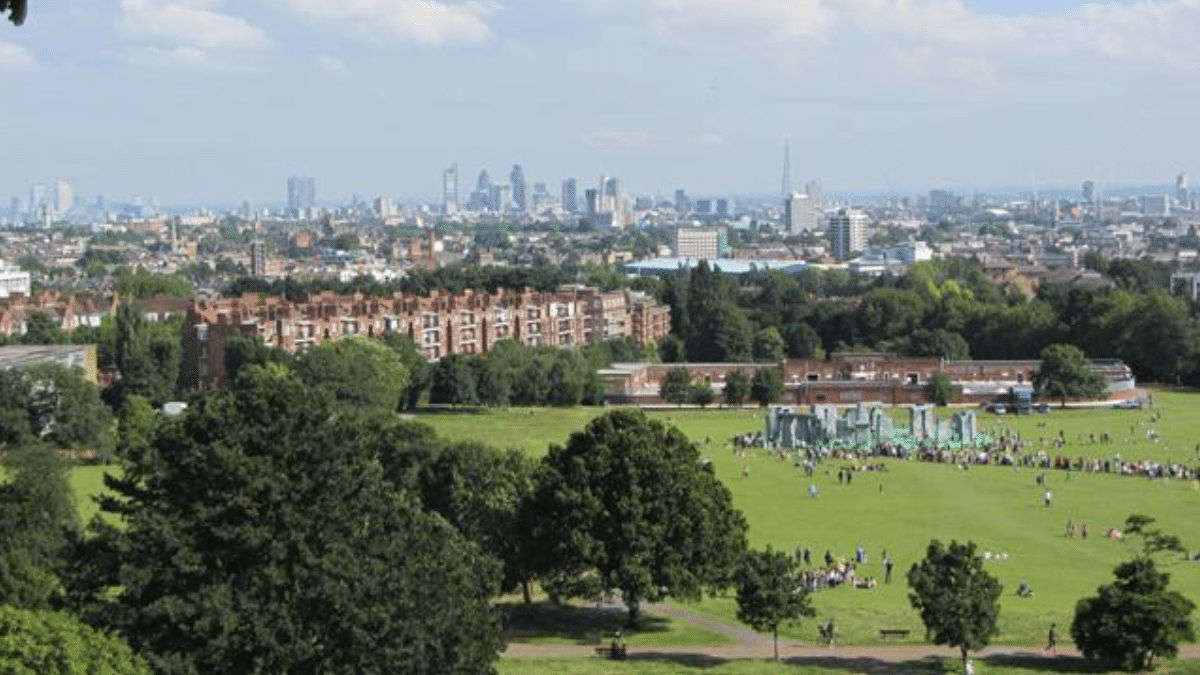
New appointment at Hampstead Heath: Bill LoSasso takes charge
The City of London Corporation proudly welcomes Bill LoSasso as the new Assistant Director and Superintendent. Bill is poised to manage esteemed North London green areas like Hampstead Heath, Highgate Wood, Queen’s Park, and West Ham Park.
Bill LoSasso, a notable public sector leader, previously helmed the Crystal Palace Park Trust, ensuring a seamless transition of the park to its charitable trust. His American experience is also impressive, serving at New York City’s Parks & Recreation as the Director of the prominent GreenThumb initiative, America’s largest urban gardening programme.
His rich educational background, which includes a law doctorate, a bachelor’s in environmental biology, and a master’s in city planning, couples with his hands-on experience in planning, policy-making, operations, and volunteer management, making Bill an invaluable asset to the City Corporation.
Starting on 4th September, there will be a handover period with the outgoing Superintendent, Stefania Horne, until 15th September. During Bill’s introductory phase, Jonathan Meares, the Conservation Head, will oversee property operations.
Hampstead Heath, alongside Highgate Wood, Queen’s Park, and West Ham Park, represent the City Corporation’s pivotal open spaces. These spaces, maintained as registered charities, are pivotal to London’s environment.
William Upton KC, Chair of the City Corporation’s Hampstead Heath, Highgate Wood and Queen’s Park Committee, shared, “Bill’s addition promises continued growth for our cherished open spaces. We also owe a tremendous debt of gratitude to Stefania Horne for her commendable contributions.”
Bill LoSasso commented on his new role, “I’m honoured to work alongside the City Corporation to nurture North London’s iconic green spaces like Hampstead Heath.”
The City Corporation dedicates £38m annually to conserve over 11,000 acres of London’s open spaces. Many of these spaces, functioning as charitable trusts, provide invaluable wildlife habitats and play a crucial role in London’s environmental strategy by removing approximately 16,000 tonnes of carbon yearly. Their preservation is of paramount importance, ensured by special legislation.
